Start with the role
Farin benefits from dependable protection and a weapon that keeps pressure manageable. Andriel needs room to act and enough resilience to survive a mistake while supporting the group. Eradan can turn strong close-range opportunities into decisive damage, but he still needs a route out when a room becomes crowded.
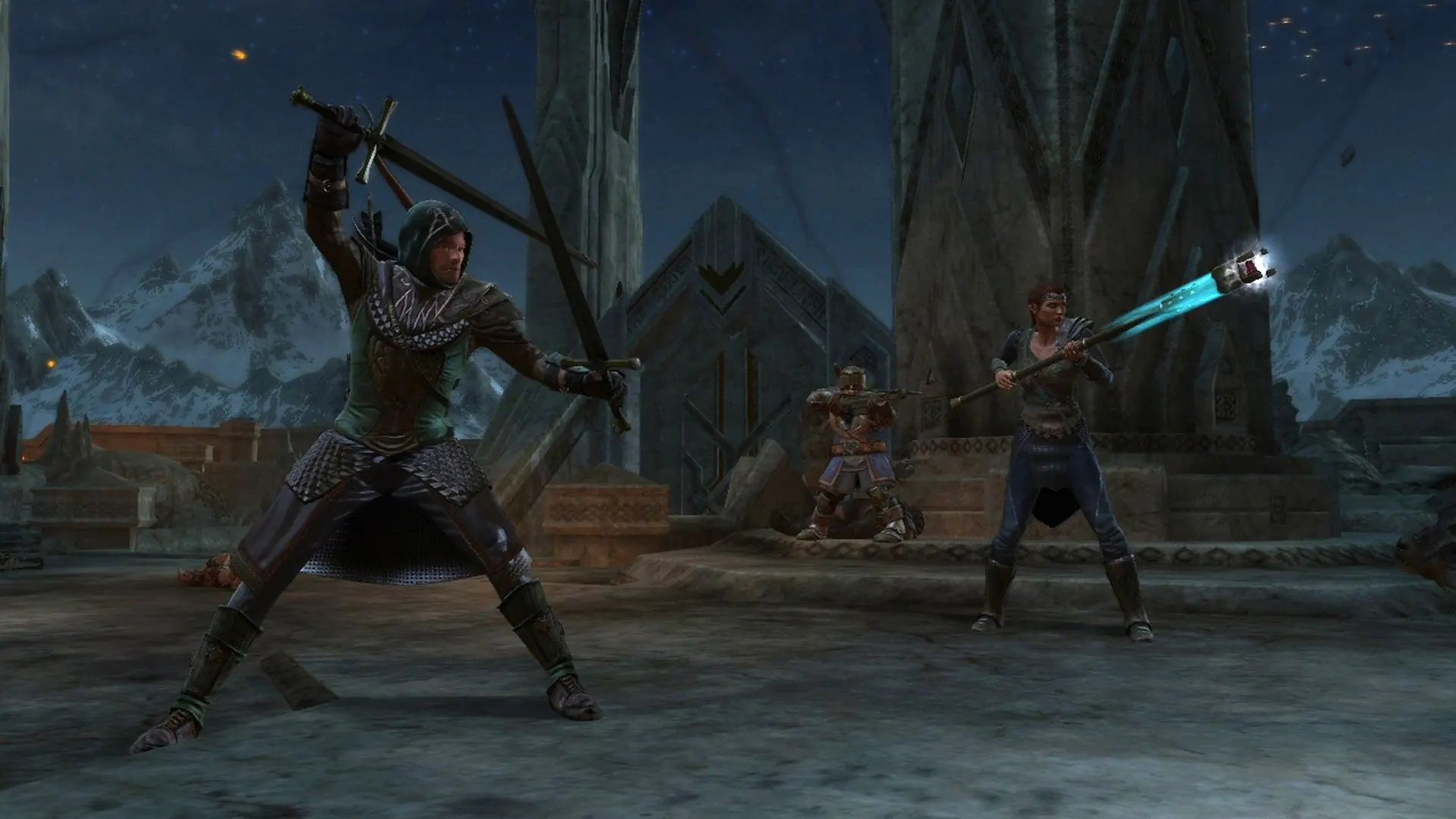
Search focus: war in the north weapons and armor
This page treats war in the north weapons and armor as a practical question. Use the answer as a starting point, then verify the platform, region, version, or party condition that could change the next step.
Compare the whole loadout
A higher number is only useful when it improves the way a player can perform their job. Consider attack reach, defensive margin, resource needs, and whether the item forces a player into a rhythm the party does not want. In co-op, a stable contribution often beats a flashy number that creates extra risk.
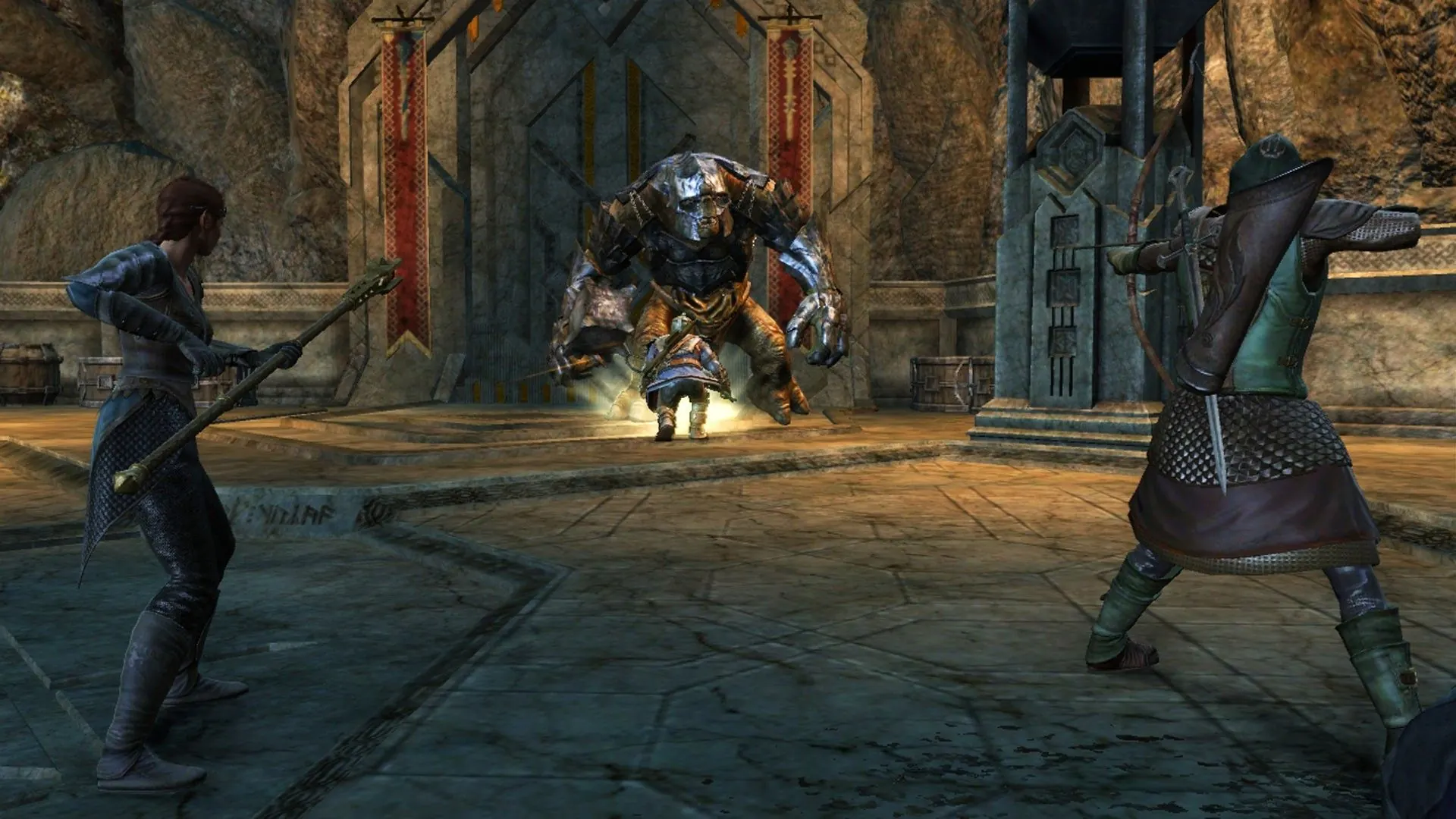
Share deliberately
Agree before taking the strongest-looking item. If one hero gains a large upgrade while another loses the only useful defensive option, the party may become weaker overall. A short callout and a quick comparison screen are enough to avoid most friction.
What the site avoids
This is not a live trading-value database and it does not invent hidden item statistics. Use the in-game description and your own version as the source of truth when a name, stat, or drop condition differs.
Answer the immediate question first
The Weapons and armor: a practical gearing guide page is arranged for a player who has a decision in front of them, not for someone collecting trivia. Read the opening answer, identify the condition that could change it, and then use the linked route that handles the next action. This order keeps a quick lookup useful while still making the evidence and limits visible. It also prevents a historical platform fact, a community observation, and an editorial recommendation from being mistaken for the same kind of claim.
Turn the note into a session plan
Before a chapter begins, choose one small outcome from the Weapons and armor: a practical gearing guide page. A group might assign a role, check one route, confirm one platform detail, or mark one objective. Write the decision in plain language so every player can react to the same plan. If the room changes, keep the decision reversible: pause, regroup, and change the next step instead of treating an early guess as a permanent build or promise.
Separate facts from useful interpretation
Some details on Weapons and armor: a practical gearing guide come from official store or platform material, while others are practical reading of the game's co-op rhythm. The page keeps those categories distinct because they age differently. Official metadata is the right place to confirm product status; a role suggestion is a starting point that should be tested in your own party. When the source does not answer a question, the copy says so rather than filling the gap with a confident invention.
Use comparisons with a clear purpose
A comparison is valuable only when it changes what a player does next. On Weapons and armor: a practical gearing guide, compare options by the problem they solve: space, recovery, interruption, exploration time, or technical risk. A larger number or a familiar label is not automatically better. Note the platform, difficulty, party size, and current objective before deciding. That context explains why two players can make different choices and both be following a sensible plan.
Recover from an imperfect run
A first attempt does not need to be perfect to be useful. If the Weapons and armor: a practical gearing guide page points to a missed objective or an unclear platform detail, record it as provisional and continue with the safe part of the route. Co-op groups lose time when they restart from a vague memory. A short note, a screenshot from the game, or the exact store wording gives the next run something concrete to verify.
Know when the guide stops
This companion does not replace the game, host unauthorized files, or promise that an older release is available in every region. The Weapons and armor: a practical gearing guide page stops at the point where a reader needs the official store, platform holder, or their own in-game record. That boundary is deliberate: it keeps the guide useful without pretending to control pricing, catalog changes, account state, controller drivers, or community discoveries that the site cannot independently guarantee.
Check the version-sensitive details
Older releases can differ because of region, hardware, storefront rules, patches, input devices, and the condition of a second-hand copy. When Weapons and armor: a practical gearing guide depends on one of those variables, confirm it immediately before spending money or changing a working setup. Treat a community note as a lead, not as an official statistic. The source ledger records the first-party material used here so a later update can replace a stale assumption instead of silently carrying it forward.
Continue through the related routes
The most useful path is usually short: open Weapons and armor: a practical gearing guide, take one action, then move to the Party Planner, Classes, Co-op Guide, or the relevant checklist. Those pages are linked so a reader can keep the same language and locale while moving from discovery to execution. When the goal is completion, pair the Walkthrough with Collectibles and Achievements. When the goal is a stable first session, start with one class per role and use the PC Fixes page only for reversible checks.
Use the page as a decision tool
The phrase war in the north weapons and armor names the decision this page is meant to support. Read the short answer first, then check the condition that could change it for your platform, party, region, or version. The guide keeps official facts, community observations, and editorial suggestions separate so a useful starting point does not become an unsupported promise.
Make the next check concrete
After reading war in the north weapons and armor, choose one next action: confirm a store detail, assign a role, mark a verified objective, compare equipment, or test a reversible setting. Write down the exact wording that matters and return to the linked source when the answer depends on hardware or catalog status. This turns a search visit into a repeatable session note.
Keep evidence close to the claim
When a page mentions availability, controls, or a release-era feature, keep the source and the limit beside the claim. A store page can confirm metadata without proving that every region has the same catalog. A community note can explain a useful habit without becoming an official statistic. This distinction helps a returning player decide what to verify again.
Choose a reversible first attempt
A good first attempt should be easy to change. In a co-op room, test one role assignment, one search pass, or one display setting before changing several variables together. If the result is worse, return to the previous state and record what happened. Small experiments protect the session and make later corrections easier to understand.
Respect the three-player rhythm
The game is easier to read when the party announces its intention before moving. One player can call space, another can call recovery, and the third can call a dangerous target. The words do not need to be complicated. A short shared signal prevents three people from making three reasonable but conflicting decisions at the same time.