QUICK ANSWER
There is no verified official interactive map to reproduce here. Use this route index as a readable map substitute: move through the regions in campaign order, check the edges of each area, and open the walkthrough, collectibles, or side-quest page when the question becomes specific. The labels are a planning aid, not a promise that every release exposes the same marker or secret.
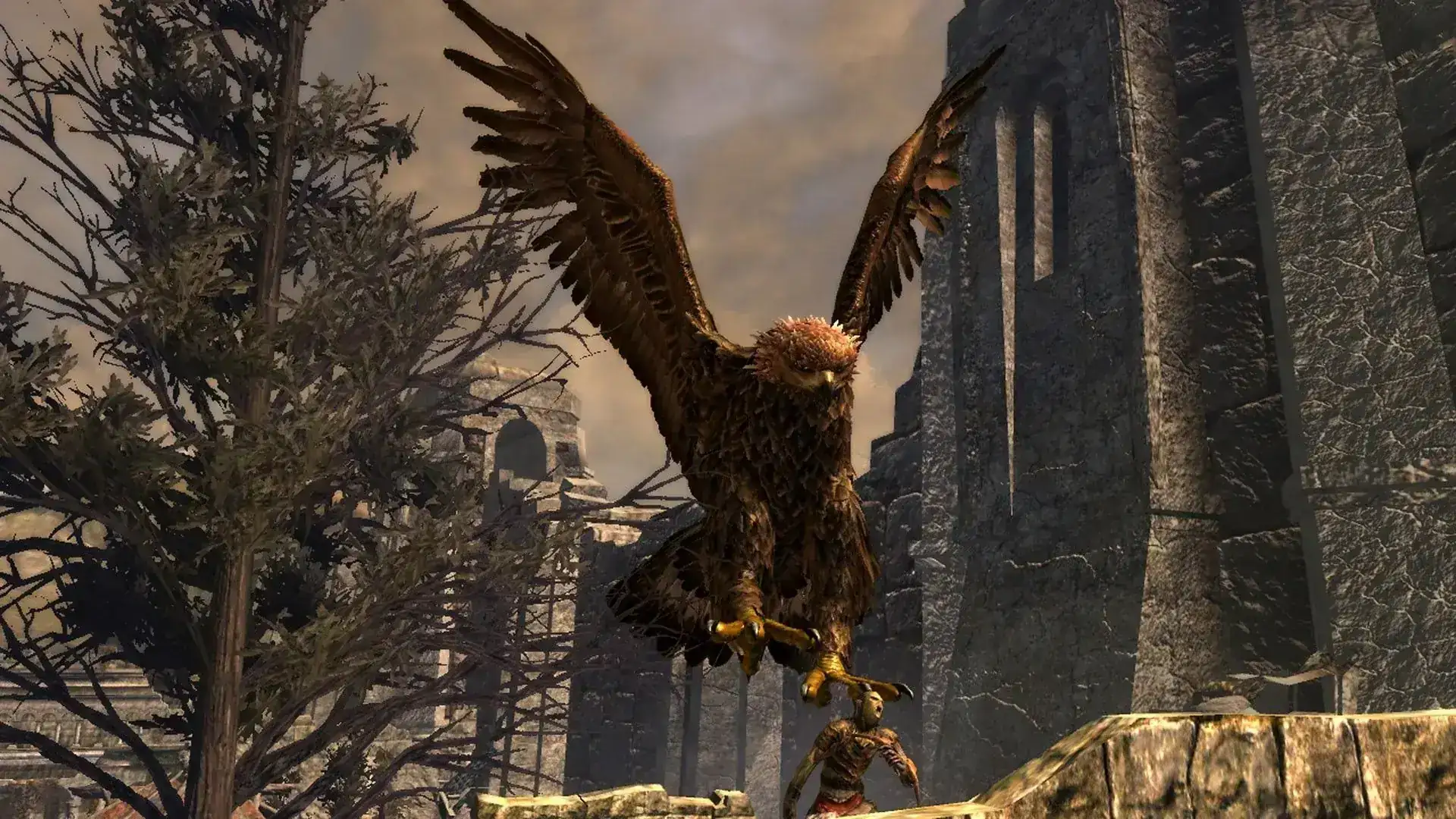
What this War in the North map can answer
Searches for a War in the North map usually mix three needs: a broad sense of where the campaign travels, a reminder of which chapter a location belongs to, and a quick way to return to a collectible or side quest. This page answers the first two and points to the specialist checklist for the third. It deliberately keeps uncertain community coordinates as prompts to verify rather than presenting them as official map data.
Read the route from west to north
The campaign moves through familiar hubs and exposed passes before the later northern strongholds. The table below is a route index rather than a literal scale drawing. Read one row before entering a chapter, then use the local objective and the walkthrough page as the final authority for your edition. This order helps a returning player remember the next region without turning a spoiler-sensitive run into a list of mandatory collectibles.
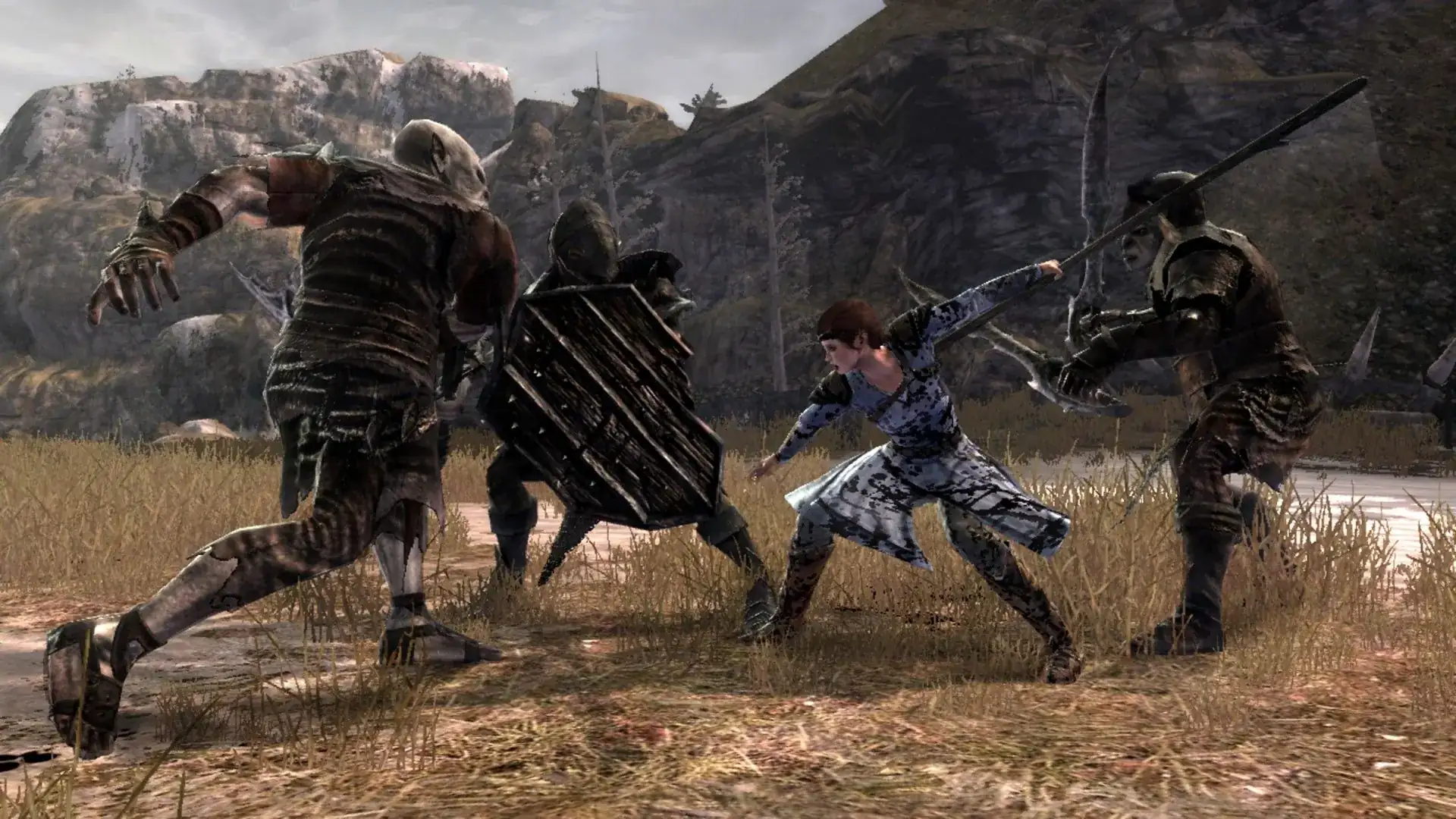
A location check is more useful than a pin
A good location note says what to inspect and when: a side path after the fight, a ledge visible from the main route, a hub NPC before leaving, or a return trip after a prerequisite. That is more robust than copying a pin from an old forum post that may use a different release or camera angle. When a name or trigger is uncertain, record the uncertainty and confirm it in your own game.
Map fragments, Ent pieces, and other searches
The Similarweb map cluster includes queries about map fragments and an Ent map piece. Those terms are useful clues, but they do not prove that the game has one collectible set with a universal name. Treat them as a bridge to the collectibles and side-quests pages: search the relevant region, check the local list, and avoid claiming a fixed spawn when the source only describes a community observation.
Explore with three players without splitting the map
In co-op, one player can read the route while another checks the outer wall and a third watches the next objective. Agree on a short call such as ‘sweep’ before leaving a combat space. If the party splits into three rooms, the map becomes three memories and a missed trigger is harder to reproduce. Keep the group together until the local checklist item is either confirmed or marked provisional.
Know which guide to open next
Use Walkthrough for chapter order and main objectives, Collectibles for exploration checks, and Side Quests for optional dialogue, items, prerequisites, and returns. Classes and Co-op Guide answer party questions rather than location questions. Keeping these boundaries clear lets the map page stay useful as an index instead of becoming a thin copy of five other guides.
Edition and source limits
Older releases, regional storefronts, camera framing, and community memory can change how a location is described. Steam provides official product context and media, while IGN and PCGamingWiki are reference points that may be updated or disagree. This page does not claim a publisher-authored full map, a universal chapter count for every edition, or a current solution for a disputed marker.
Answer the immediate question first
The map page is arranged for a player who has a decision in front of them, not for someone collecting trivia. Read the opening answer, identify the condition that could change it, and then use the linked route that handles the next action. This order keeps a quick lookup useful while still making the evidence and limits visible. It also prevents a historical platform fact, a community observation, and an editorial recommendation from being mistaken for the same kind of claim.
Turn the note into a session plan
Before a chapter begins, choose one small outcome from the map page. A group might assign a role, check one route, confirm one platform detail, or mark one objective. Write the decision in plain language so every player can react to the same plan. If the room changes, keep the decision reversible: pause, regroup, and change the next step instead of treating an early guess as a permanent build or promise.
Separate facts from useful interpretation
Some details on map come from official store or platform material, while others are practical reading of the game's co-op rhythm. The page keeps those categories distinct because they age differently. Official metadata is the right place to confirm product status; a role suggestion is a starting point that should be tested in your own party. When the source does not answer a question, the copy says so rather than filling the gap with a confident invention.
Use comparisons with a clear purpose
A comparison is valuable only when it changes what a player does next. On map, compare options by the problem they solve: space, recovery, interruption, exploration time, or technical risk. A larger number or a familiar label is not automatically better. Note the platform, difficulty, party size, and current objective before deciding. That context explains why two players can make different choices and both be following a sensible plan.
Recover from an imperfect run
A first attempt does not need to be perfect to be useful. If the map page points to a missed objective or an unclear platform detail, record it as provisional and continue with the safe part of the route. Co-op groups lose time when they restart from a vague memory. A short note, a screenshot from the game, or the exact store wording gives the next run something concrete to verify.
Know when the guide stops
This companion does not replace the game, host unauthorized files, or promise that an older release is available in every region. The map page stops at the point where a reader needs the official store, platform holder, or their own in-game record. That boundary is deliberate: it keeps the guide useful without pretending to control pricing, catalog changes, account state, controller drivers, or community discoveries that the site cannot independently guarantee.
Check the version-sensitive details
Older releases can differ because of region, hardware, storefront rules, patches, input devices, and the condition of a second-hand copy. When map depends on one of those variables, confirm it immediately before spending money or changing a working setup. Treat a community note as a lead, not as an official statistic. The source ledger records the first-party material used here so a later update can replace a stale assumption instead of silently carrying it forward.
Continue through the related routes
The most useful path is usually short: open map, take one action, then move to the Party Planner, Classes, Co-op Guide, or the relevant checklist. Those pages are linked so a reader can keep the same language and locale while moving from discovery to execution. When the goal is completion, pair the Walkthrough with Collectibles and Achievements. When the goal is a stable first session, start with one class per role and use the PC Fixes page only for reversible checks.
Use the page as a decision tool
The phrase war in the north map names the decision this page is meant to support. Read the short answer first, then check the condition that could change it for your platform, party, region, or version. The guide keeps official facts, community observations, and editorial suggestions separate so a useful starting point does not become an unsupported promise.
Region route index
| Region or hub | What to remember | Best next check | Open |
|---|---|---|---|
| Bree and the first road | Early hub conversations and the first outward paths | Check NPC dialogue and room edges before leaving | Side quests |
| Rivendell and Sarn Ford | Hub returns, forge dialogue, and the river approach | Record prerequisites before moving to the next chapter | Walkthrough |
| Fornost and the Barrow-downs | Ruins, tomb approaches, and side passages | Sweep the arena after combat and note return triggers | Collectibles |
| Mirkwood and the northern paths | Dense routes where the camera can hide a branch | Use a two-pass edge sweep with the party together | Collectibles |
| Nordinbad and Gundabad | Late hubs, forge conversations, and return quests | Check the hub before the next story departure | Side quests |
| Final strongholds | Combat spaces where the objective can pull players forward | Confirm the local objective before chasing loot | Walkthrough |
A reversible map-reading routine
1. Read one route row
Use the region index to set a short expectation for the next area. Do not treat the row as a spoiler-free replacement for the game.
2. Finish the immediate fight
Clear the pressure before searching. A safe room makes ledges, dead ends, doors, and NPCs easier to inspect.
3. Sweep the edges
Walk the outer wall, raised platforms, side corridors, and objects that sit outside the obvious objective path.
4. Mark the result
Record confirmed, missed, or uncertain. A provisional note is better than a confident location that another edition does not share.
5. Open the specialist guide
Move to Walkthrough, Collectibles, or Side Quests when the question needs a chapter trigger, item detail, or return condition.
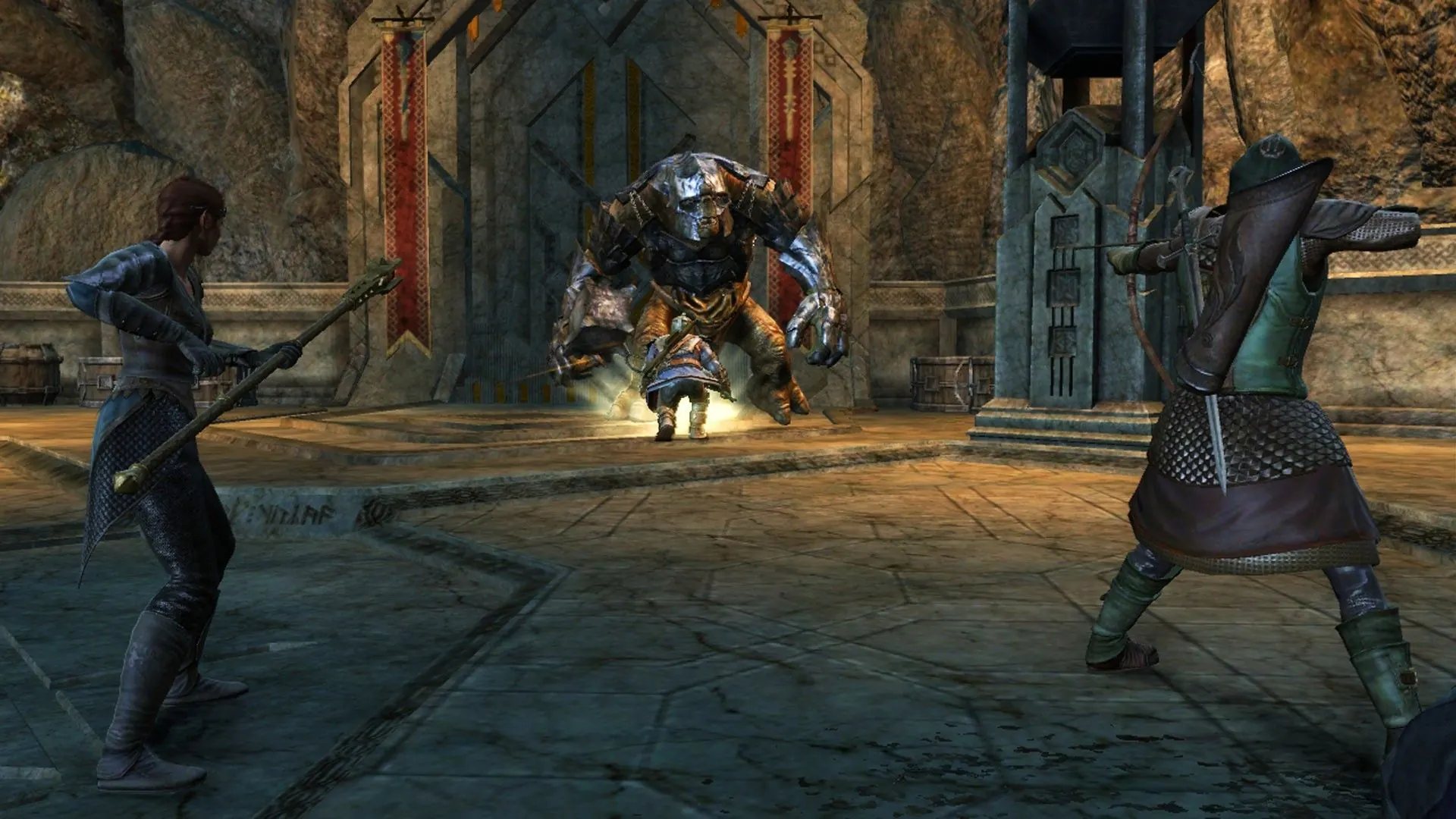
War in the North map FAQ
Is there a full official War in the North map?
This site has not found a publisher-authored full interactive map to reproduce. The page provides a route index and links to focused checklists instead of presenting a community sketch as official.
How many chapters are on the map?
Chapter counts can be phrased differently across guides and editions. Use the Walkthrough page for the current chapter checklist and treat this page as the region order, not the canonical count.
Where should I look for map fragments or an Ent map piece?
Use the region row as a starting point, then check Collectibles and Side Quests. Similarweb shows demand for those phrases, but a search signal alone does not prove one universal item name or spawn.
Why does a location look different from an old map?
Camera framing, release, platform, and community memory can differ. Compare the chapter objective and a repeatable landmark, then record the source and version rather than forcing an exact coordinate.
Should I use this page or the walkthrough?
Use this page to orient yourself and the Walkthrough for chapter objectives. Use Collectibles or Side Quests when the task is an item, trigger, prerequisite, or return visit.
Sources and boundaries
Steam is the first-party source for product context and the official screenshots used here. IGN and PCGamingWiki are third-party references used as leads for route and compatibility language; they are not presented as a publisher-authored map. Similarweb informed the search boundary, not the factual location claims.
- Official Steam product pageFirst-party product context and hosted screenshots.
- IGN War in the North wikiThird-party chapter and quest reference; check the page and edition.
- PCGamingWiki game pageCommunity reference for PC and release differences.