QUICK ANSWER
The official Steam listing currently identifies War in the North as a single-player and co-op game, but that label does not guarantee that every store build, network route, or controller setup will connect cleanly. Treat multiplayer as a compatibility check: match the same platform and build, start with a small private test, and isolate map-loading crashes before changing files or blaming the party setup.
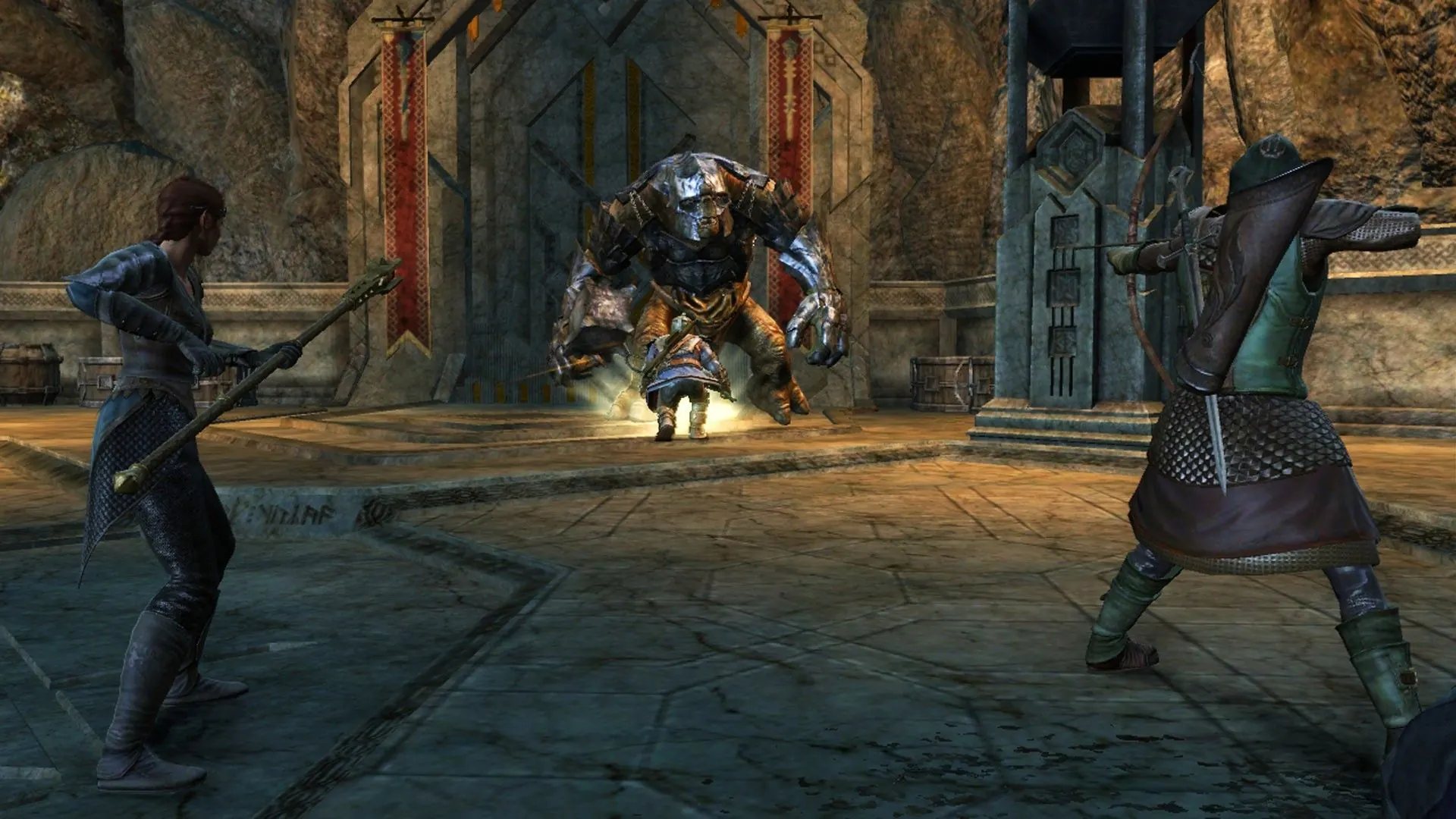
Five-minute multiplayer triage
| Symptom | First check | Next decision |
|---|---|---|
| Invite never appears | Same platform family, signed-in accounts, privacy and invite settings | Retry a private invite before changing files |
| Join succeeds, map load closes | Record map, host, party size, and edition; test a short solo load | Verify files and disable overlays before another test |
| Only one player crashes | Compare OS, controller, overlays, and modified files | Keep the clean install on the affected side |
| Third player causes failure | Repeat with host plus one guest | Add the third player only after the two-player test passes |
| Community fix asks for an executable | Check author, version, rollback path, and source | Do not run it without a reversible backup |
What the official listing confirms
Steam currently lists Single-player, Co-op, Steam Achievements, Steam Cloud, and controller support in the product features. Its tags also include Online Co-Op and Multiplayer. Those labels establish the product context and explain why players search for War in the North multiplayer, but they do not test your current router, account, store region, or the exact edition installed. Use the listing as a product reference, then verify the session in the environment you actually play in.
Search focus: lord of the rings war in the north multiplayer
This page treats lord of the rings war in the north multiplayer as a practical question. Use the answer as a starting point, then verify the platform, region, version, or party condition that could change the next step.
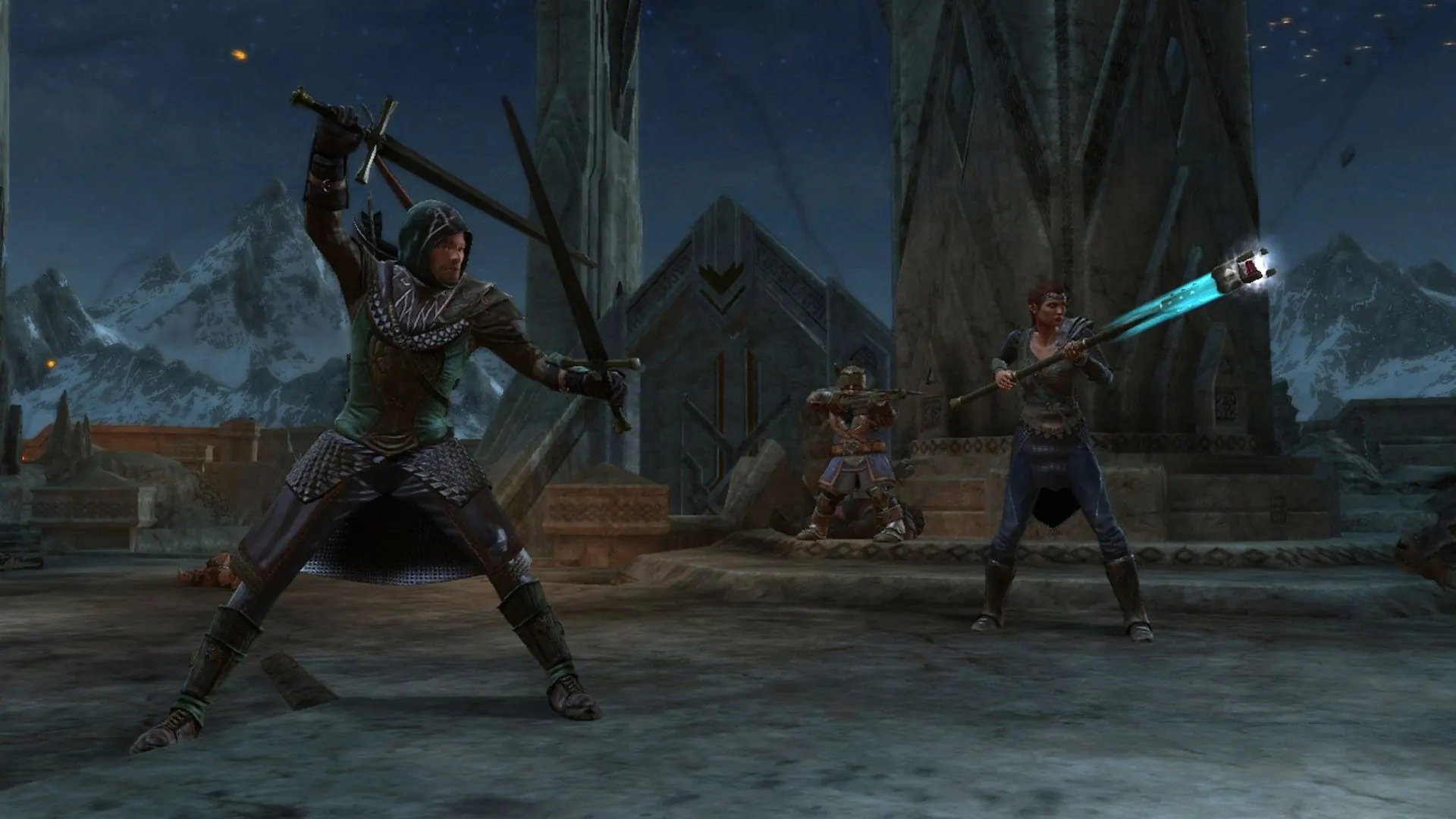
Multiplayer availability is different from a crash
A party that cannot connect and a session that crashes while loading a map are different problems. If the invite never arrives, check accounts, platform, privacy settings, and whether both players are on the same release. If the invite works but the map load fails, record the map, host, party size, and the last change made. This split keeps a network symptom from turning into an unnecessary file replacement.
Start with the same platform and build
Write down the store, operating system, game edition, language, input device, and whether either player changed files. Do not assume a Steam copy and a GOG copy share the same online path just because the game title matches. Do not assume a search result mentioning Legacy Edition proves a current support promise. When a platform page is the only verified source, describe the condition as a check rather than a guarantee.
Use a low-risk connection order
Close the game on both sides, sign in to the same platform family, and remove extra overlays or remappers for the first test. Let one player host a private session, invite one other player, and load a short, familiar area before adding a third person. Keep the test repeatable: same host, same map, and one change at a time. A successful short session tells you more than a long run with several variables changed together.
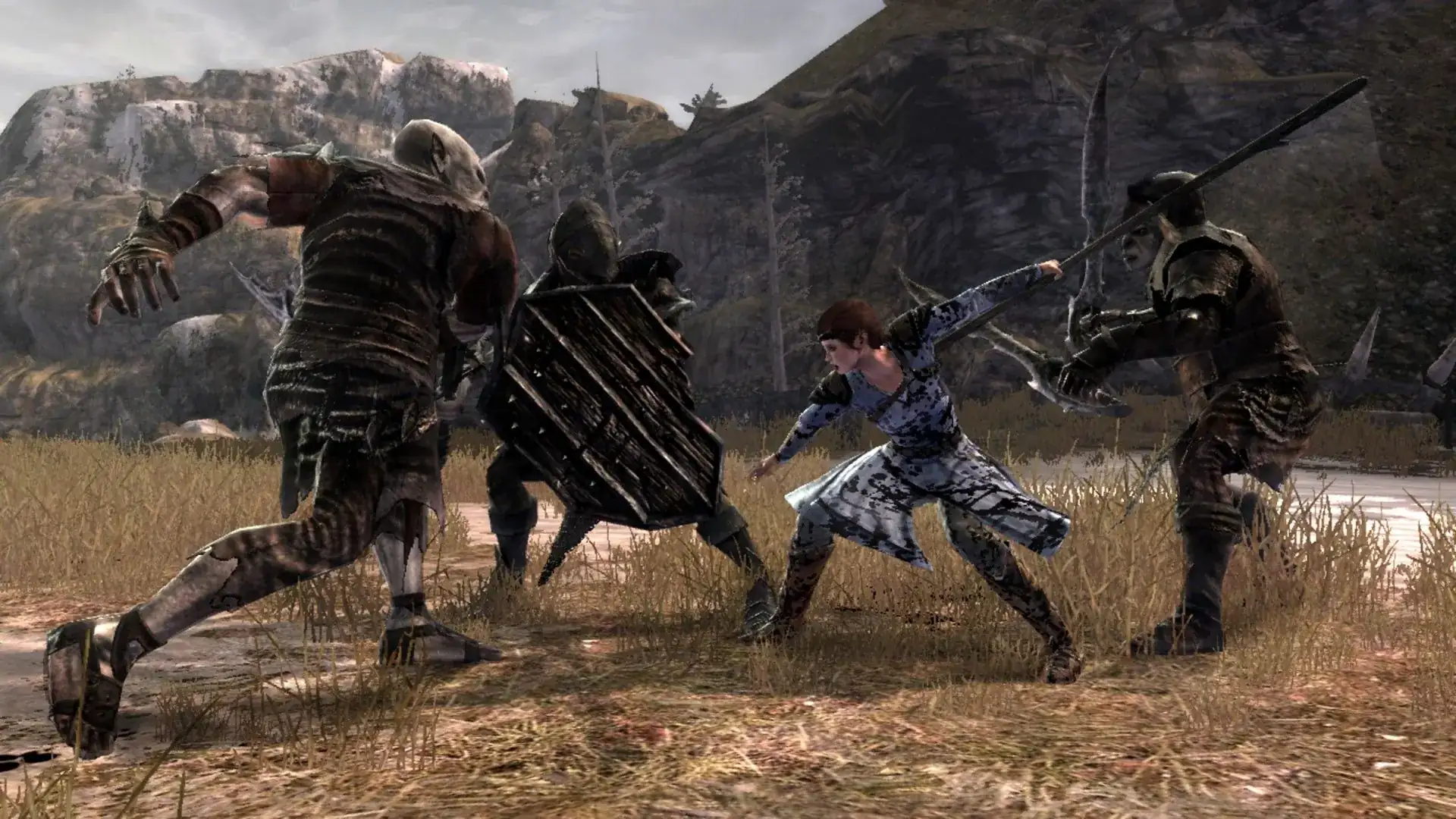
When map loading crashes
A map-loading crash is a useful boundary because the failure happens after the invite but before normal play. Note whether only the joining player closes, whether the host remains in the lobby, and whether the same map fails in a solo load. Then verify the platform files through the store, restart with overlays disabled, and retry the smallest party. If the failure follows one modified install, return to the clean state before trying another community suggestion.
Protect progress while testing
Do not use an important campaign session as the first network experiment. Agree on a short checkpoint, keep the host and joining player names consistent, and record which test passed. If the game or platform offers cloud saves, treat synchronization as a convenience rather than a backup plan; confirm that the local progress is present before replacing or moving files. The goal is to learn which variable changes the result without sacrificing a valuable run.
How this differs from the co-op guide
The existing co-op guide explains spacing, roles, recovery, and combat calls once a party is already playing. This page handles the earlier gate: whether the same edition and network setup can reach a stable session, and what to isolate when loading fails. Once a short test works, continue to the party planner or class pages for team decisions. Keeping these intents separate prevents a combat build from being presented as a network fix.
What this page cannot promise
No public product listing can verify every router, region, account state, controller driver, mod, or community workaround. This site does not host executables, cracks, ROMs, installers, or direct multiplayer patches. It also does not present a Reddit or forum report as official support. Use the source links for context, keep a clean install for comparison, and stop when a change cannot be reversed or explained.
Answer the immediate question first
The War in the North multiplayer page is arranged for a player who has a decision in front of them, not for someone collecting trivia. Read the opening answer, identify the condition that could change it, and then use the linked route that handles the next action. This order keeps a quick lookup useful while still making the evidence and limits visible. It also prevents a historical platform fact, a community observation, and an editorial recommendation from being mistaken for the same kind of claim.
Turn the note into a session plan
Before a chapter begins, choose one small outcome from the War in the North multiplayer page. A group might assign a role, check one route, confirm one platform detail, or mark one objective. Write the decision in plain language so every player can react to the same plan. If the room changes, keep the decision reversible: pause, regroup, and change the next step instead of treating an early guess as a permanent build or promise.
Separate facts from useful interpretation
Some details on War in the North multiplayer come from official store or platform material, while others are practical reading of the game's co-op rhythm. The page keeps those categories distinct because they age differently. Official metadata is the right place to confirm product status; a role suggestion is a starting point that should be tested in your own party. When the source does not answer a question, the copy says so rather than filling the gap with a confident invention.
Use comparisons with a clear purpose
A comparison is valuable only when it changes what a player does next. On War in the North multiplayer, compare options by the problem they solve: space, recovery, interruption, exploration time, or technical risk. A larger number or a familiar label is not automatically better. Note the platform, difficulty, party size, and current objective before deciding. That context explains why two players can make different choices and both be following a sensible plan.
Recover from an imperfect run
A first attempt does not need to be perfect to be useful. If the War in the North multiplayer page points to a missed objective or an unclear platform detail, record it as provisional and continue with the safe part of the route. Co-op groups lose time when they restart from a vague memory. A short note, a screenshot from the game, or the exact store wording gives the next run something concrete to verify.
Know when the guide stops
This companion does not replace the game, host unauthorized files, or promise that an older release is available in every region. The War in the North multiplayer page stops at the point where a reader needs the official store, platform holder, or their own in-game record. That boundary is deliberate: it keeps the guide useful without pretending to control pricing, catalog changes, account state, controller drivers, or community discoveries that the site cannot independently guarantee.
Check the version-sensitive details
Older releases can differ because of region, hardware, storefront rules, patches, input devices, and the condition of a second-hand copy. When War in the North multiplayer depends on one of those variables, confirm it immediately before spending money or changing a working setup. Treat a community note as a lead, not as an official statistic. The source ledger records the first-party material used here so a later update can replace a stale assumption instead of silently carrying it forward.
Continue through the related routes
The most useful path is usually short: open War in the North multiplayer, take one action, then move to the Party Planner, Classes, Co-op Guide, or the relevant checklist. Those pages are linked so a reader can keep the same language and locale while moving from discovery to execution. When the goal is completion, pair the Walkthrough with Collectibles and Achievements. When the goal is a stable first session, start with one class per role and use the PC Fixes page only for reversible checks.
A reversible multiplayer test order
1. Record the baseline
Write the store, edition, operating system, controller, host, guest, map, and exact failure moment. A short record prevents the same uncertain test from being repeated.
2. Return both installs to a clean state
Close the game, remove optional overlays and remappers for the test, and keep community file changes out of the first comparison. Do not delete saves or overwrite a working setup.
3. Prove a two-player session
Use one host, one guest, a private invite, and a familiar short area. Keep the platform and build matched and note whether the failure happens before or during map loading.
4. Change one variable
Verify files, change the host, or re-enable one overlay only after the baseline is recorded. Repeat the same map so the result remains comparable.
5. Escalate with evidence
If the failure persists, take the record to the platform support page or a clearly relevant community thread. Include the edition, map, host/guest behavior, and the reversible checks already completed.
War in the North multiplayer FAQ
Does War in the North multiplayer work today?
The official Steam page labels the product as single-player and co-op and includes online co-op among its tags. That is product metadata, not a live test of your region or network. Confirm the result with a short two-player session on the same platform family and edition.
How does multiplayer work in War in the North?
Start with a private invite, one host, and one guest. Test a familiar area, record whether the invite arrives and whether map loading completes, then add a third player. The party planner and co-op guide help after the connection itself is stable.
Why does War in the North crash during multiplayer map loading?
The cause can be edition mismatch, a damaged local file, an overlay or remapper, a host-specific condition, or a community file change. Record the map and which side closes, verify files, disable extras, and repeat the smallest test before trying a new workaround.
Does the Legacy Edition support split-screen on PC?
The Steam listing confirms co-op context but does not establish every split-screen mode or input combination. Treat split-screen as a platform-specific question and verify the current store and game menus rather than copying an unverified claim.
Does the GOG version have multiplayer or LAN?
Similarweb shows questions about GOG multiplayer, but that demand signal is not proof of a feature. Use the current GOG product page and a small test for the exact edition; do not infer support from the Steam listing.
Sources and limits
Steam is the first-party product source for the feature labels and screenshots. PCGamingWiki and Steam Community are community references that may change; they are useful for leads, not a guarantee from the publisher. Similarweb keyword data informed the search-intent boundary, not the technical diagnosis.
- Official Steam product pageProduct metadata, feature labels, and official store media.
- PCGamingWiki game pageCommunity reference for PC behavior, fixes, and compatibility notes.
- Steam Community discussionsUser reports can reveal symptoms; verify the edition and date before relying on a workaround.